Tata Altroz EV : Tata Motors has been one of the strongest names in India’s EV market, and the Altroz EV continues to be one of its most talked-about products.
The model has been discussed for years, and while the company has not rushed it to market, interest around the electric premium hatchback has stayed surprisingly high.
Recent reports suggest the project is still active, with launch expectations shifting over time as Tata works through product planning and segment positioning.
What makes the Altroz EV interesting is simple: it sits in a sweet spot that many Indian buyers like. It is expected to offer the practicality of a hatchback, the premium feel of the Altroz nameplate, and the low running cost of an electric powertrain.
That combination, if priced right, could make it a very strong alternative for city users who want something more stylish than a basic compact EV.
Why It Matters
Tata has already built a reputation with EVs like the Nexon EV and Tiago EV, so the Altroz EV would not be a first attempt.
Instead, it would expand Tata’s reach into the premium hatchback space, where competition and expectations are both higher.
Reports suggest the model is being positioned to sit between the Tiago EV and the Nexon EV, which gives Tata a useful middle ground in terms of size, features, and pricing.
That positioning matters because Indian EV buyers are still very price-sensitive. A car like the Altroz EV would need to balance range, equipment, and value carefully.
If Tata gets that balance right, the car could appeal to commuters, young professionals, and small families who want an EV without jumping too far up the price ladder.
Also Read: Skoda Kylaq Bold styling SUV with 1.0L engine, 5 star safety rating, features is elegant
Design Direction
The Altroz itself is already known for its sharp styling, low-slung stance, and premium hatchback character.
Early expectations around the EV version suggested Tata would retain much of the existing silhouette while giving the electric model a cleaner, more future-focused look.
Industry reports have hinted at sleeker lighting, a redesigned front end, refreshed bumpers, and alloy wheels that help distinguish it from the petrol and diesel versions.
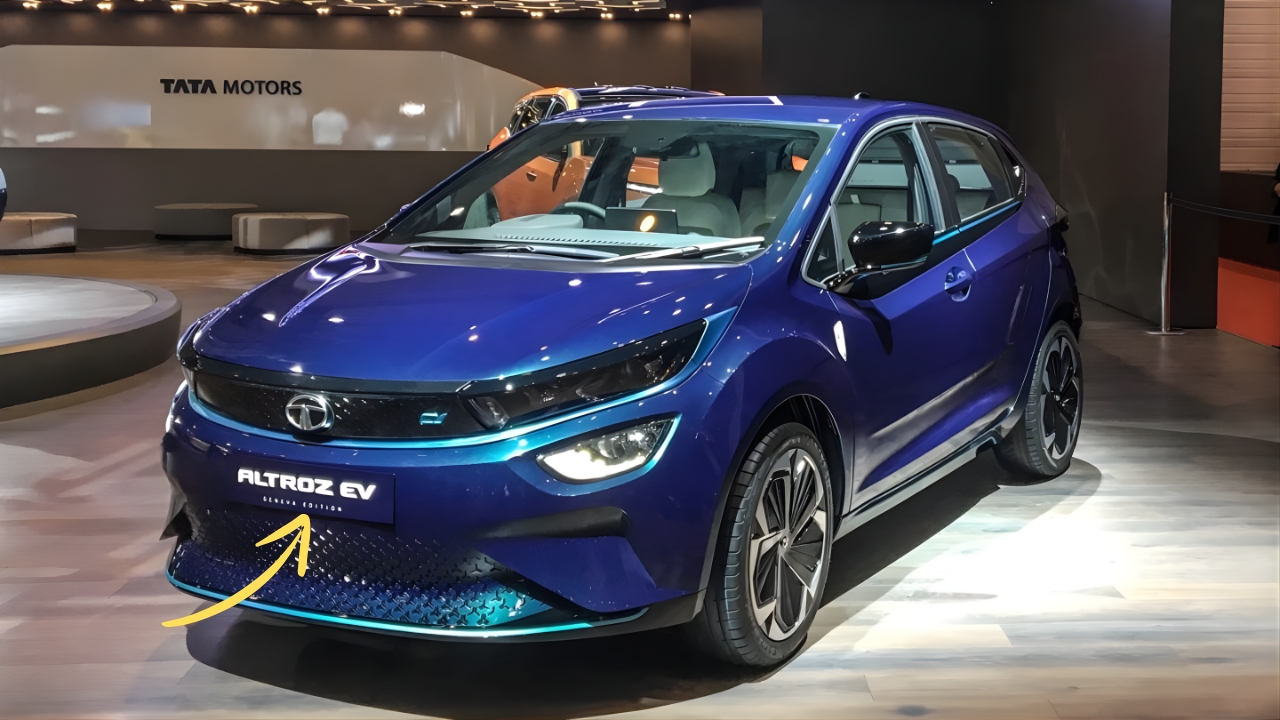
Inside, the cabin would likely receive the usual EV treatment as well. That means a cleaner dashboard design, updated infotainment hardware, and a more modern steering wheel layout.
Tata typically uses its EV models to show off the latest version of its software and interface tech, so the Altroz EV would probably follow that pattern if and when it arrives.
Battery And Range
One of the most debated parts of the Altroz EV story has been its battery and claimed range. Older reports pointed to a 30.2 kWh battery pack with an ARAI-claimed range of around 312 km, while newer listings and estimates have suggested figures in the 306 km to 320 km range depending on the source.
The variation is not unusual at this stage, because the car has not officially launched and specifications can still shift.
If Tata does use a range in this bracket, the Altroz EV would be well suited for urban and suburban use. That kind of range is enough for daily commuting, office runs, school drops, and weekend errands without forcing the owner to charge every day.
Also Read: Renault Duster Modern design SUV with 19Km/l mileage,10.25-inch digital driver display
For most buyers in this category, usable real-world range matters more than headline numbers, and that is where Tata will need to deliver confidently.
Expected Performance
The powertrain details have also been discussed in different forms over the years. Some sources have described the Altroz EV as an electric hatchback with a single motor setup and automatic-style single-speed transmission, while power figures have ranged from around 75 PS to roughly 129 PS in older speculative reports.
That spread shows how long the model has been in development and how much of the information still remains unofficial.
What seems more likely is a setup tuned for easy city driving rather than outright performance. In this segment, smoothness, instant torque, and refined low-speed behavior are far more important than sporty acceleration. If Tata gives the Altroz EV enough punch for quick overtakes and relaxed traffic movement, most buyers will be satisfied.
Launch Situation
The launch timeline has changed multiple times, which is part of why the Altroz EV continues to generate headlines.
At one point, the model was widely expected much earlier, but more recent reporting suggests the project has been delayed and may now arrive later than originally planned.
Some sources have even pointed to a 2026 or 2027 window, depending on how Tata finalizes its EV rollout strategy.
This kind of delay is frustrating for fans, but it is not always a bad sign. In the EV world, battery supply, pricing pressure, segment overlap, and platform decisions can all slow a launch.
Tata appears to be avoiding a rushed entry if the company feels the market needs a better-timed product instead.
Also Read: Hyundai Alcazar Bold look 7-seater launched with 1.5L engine, mileage is 24Kmpl
Market Position
If launched in the expected price band, the Altroz EV could compete against entry-level and mid-range EVs in India.
Recent estimates place its expected price around the ₹12 lakh to ₹15 lakh range, depending on the final variant and specification mix. That would put it in a tricky but attractive position.
The upside is obvious: buyers in this band want modern design, decent range, and a trusted brand. Tata already has strong EV credibility, so the Altroz EV would benefit from that reputation immediately.
The challenge is that rivals in the same price zone are becoming smarter, and the EV market is no longer as open as it once was.
Tata Altroz EV : Final Outlook
The Tata Altroz EV still feels like one of those products that could matter more than its timeline suggests. It has a familiar name, a strong body style, and the potential to fill a real gap in Tata’s EV lineup.
Even though the launch has been delayed and much of the specification list remains based on expected figures rather than confirmed details, the buzz around the car has not faded.
For now, the Altroz EV is best seen as a promising future hatchback for buyers who want a practical electric car with premium appeal.
Also Read This : Toyota Innova Hycross Premium 7 seater launch for big families, engine is 1987cc
If Tata launches it with good range, a competitive price, and the right features, it could become one of the more important compact EVs in the Indian market.