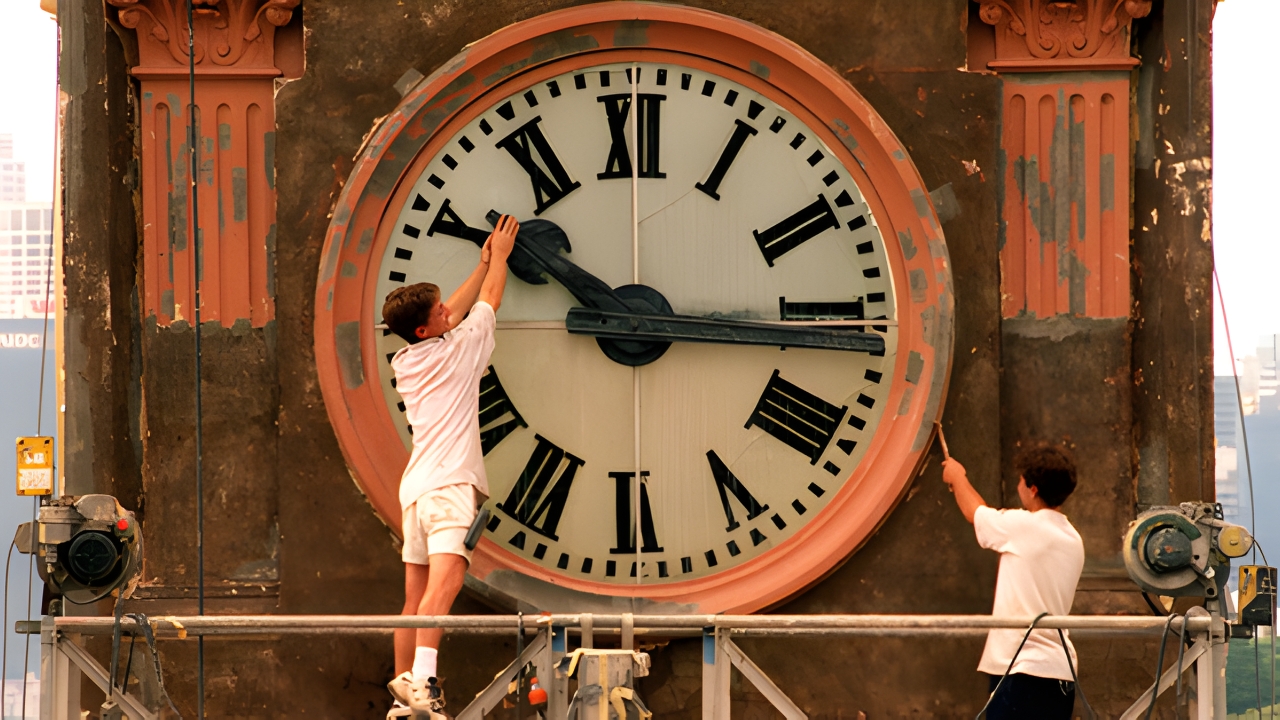
As autumn breezes sweep across Australia, it’s time to prepare for the annual daylight saving time (DST) shift. On Sunday, April 5, 2025, at 3am AEDT, clocks will spring back one hour to 2am AEST in participating states, ushering in earlier sunrises and the end of extended evenings. This change affects schedules, sleep patterns, and daily routines, so staying informed helps you transition seamlessly without missing a beat.
When Does Daylight Saving Time End in Australia?
The daylight saving end date in Australia follows a consistent pattern: the first Sunday in April. In 2025, this lands on April 5, with the switch happening precisely at 3am AEDT. Clocks then revert to Australian Eastern Standard Time (AEST), granting everyone an unexpected bonus hour of rest.
This tradition dates back to World War I, introduced to save energy by maximizing daylight usage. Today, it primarily impacts southeastern regions, creating a predictable yet sometimes disruptive rhythm to the year. Most digital devices update automatically, but manual clocks need attention to avoid confusion.
Plan ahead by noting the early morning timing—weekend activities rarely overlap, minimizing immediate disruptions. For travelers or remote workers, confirming local times prevents scheduling errors across zones.
Which Australian States and Territories Observe Daylight Saving?
Australia’s daylight saving observance isn’t uniform, leading to a diverse time landscape. States like New South Wales (NSW), Victoria, South Australia (SA), Tasmania, and the Australian Capital Territory (ACT) all participate, adjusting clocks on April 5, 2025.
Conversely, Queensland, Western Australia (WA), and the Northern Territory (NT) remain on standard time throughout the year. This split often complicates interstate coordination, from business meetings to family visits.
- DST observers: NSW, Victoria, SA, Tasmania, ACT
- Non-observers: Queensland, WA, NT
Regional debates influence these choices—tropical areas like Queensland argue against DST due to minimal daylight variation. Tools like time zone converters or apps simplify cross-state planning.
Do Clocks Go Back or Forward in April in Australia?
In April, clocks go back one hour across DST regions, reversing the October forward shift. This aligns days with standard time, favoring brighter mornings over evenings during cooler months.
Also Read: Uncle’s Golden time bike Yamaha RX100 come back, mileage is 72 Kmpl in ₹87,398
Smartphones, computers, and many appliances sync via internet or cellular networks, handling the change effortlessly. However, traditional analog clocks, car dashboards, and kitchen timers demand manual resets—turn them back 60 minutes Saturday evening for accuracy.
A handy mnemonic: “spring forward, fall back.” Though hemispheres flip seasons, April’s autumnal “fall” cues the backward move. Overlooking this can result in tardiness or redundant alarms, so double-check everything.
What Happens to Work Schedules During the Clock Change?
For night owls and shift workers, the rollback introduces an extra hour into the day. If your roster crosses 3am, that Sunday shift effectively lengthens by 60 minutes in real time.
The Fair Work Ombudsman recommends reviewing employment agreements for DST clauses. Without specifics, compensation often bases on rostered clock time, not elapsed duration—meaning an eight-hour shift pays as scheduled despite the stretch.
- Consult your contract or award for DST rules
- Track hours worked to resolve potential disputes
- Seek advice from Fair Work if unclear
Clear communication between employers and staff prevents misunderstandings. This quirk can energize some while exhausting others, highlighting the importance of equitable policies.
How to Adjust Your Body Clock After Daylight Saving Ends
The loss of evening light can unsettle circadian rhythms, leading to fatigue or insomnia. Fortunately, the gained sleep hour softens the blow, but targeted habits accelerate adaptation.
Implement Gradual Bedtime Adjustments
Begin a week prior by pushing bedtime back 15-20 minutes each night. This eases your internal clock into the new schedule, mirroring natural sunset shifts.
Also Read: IVSS marzo 2026 : cuánto se paga, quiénes cobran y cómo recibir la pensión
Harness Morning Sunlight Exposure
Rise and seek natural light immediately—it curbs melatonin and realigns your rhythm. A short outdoor walk or wide-open blinds delivers quick benefits.
Prioritize Routine Consistency
Keep meals, exercise, and sleep times steady. Skip caffeine after midday and dim screens pre-bedtime to foster better rest.
Health experts, including NSW guidelines, endorse these for minimizing “social jet lag.” Stay hydrated and opt for light dinners to enhance comfort during the switch.
The Wider Impacts of Daylight Saving Changes
Beyond personal routines, DST’s end reshapes commutes, recreation, and energy patterns. Earlier dawns aid school drop-offs and morning errands, while prompt sunsets shift leisure indoors sooner.
Economically, it cuts morning power use but spikes evenings, fueling ongoing debates. Critics cite health risks like increased cardiac events post-change, while supporters value prolonged summer activities.
Australia’s divided approach sparks uniformity calls—Queensland’s agriculture and tourism prefer stability. These dynamics reflect how time policies intersect with lifestyle and economy.
When Does Daylight Saving Time Start Again?
Also Read: Mahindra BE 07 Futuristic design SUV with 450Km high range, fast charging capability
Winter won’t last forever; DST starts October 4, 2025, at 2am AEST, advancing clocks to 3am AEDT. This regains evening daylight, restarting the cycle.
Prep by anticipating the lost hour—update devices preemptively. The annual loop balances conservation with enjoyment, a staple of Australian life.
In conclusion, mastering the daylight saving end in Australia on April 5 means less stress and more control. Sync clocks, tweak habits, and embrace the extra hour to thrive through the shift. Stay ahead of Australia daylight saving dates yearly for uninterrupted flow.
When does daylight saving end in Australia in 2025?
Daylight saving ends on Sunday, April 5, 2025, at 3am AEDT, when clocks go back one hour to 2am AEST.
Which states in Australia observe daylight saving?
NSW, Victoria, South Australia, Tasmania, and the ACT observe DST. Queensland, Western Australia, and the Northern Territory do not.
Do clocks go back or forward in April for DST?
Clocks go back one hour in April when daylight saving time ends.
How can I adjust my body clock after the time change?
Gradually shift bedtime earlier, get morning sunlight, maintain sleep consistency, and avoid late caffeine.
When does daylight saving start again in Australia?
It starts on Sunday, October 4, 2025, at 2am AEST, with clocks going forward to 3am AEDT.