Renault Bigster 2026 : Renault Bigster 2026 is shaping up to be one of the most important SUV launches for the brand, especially in markets like India where spacious family SUVs continue to gain demand.
With testing already underway and multiple reports pointing to a late-2026 arrival, the Bigster is being watched closely as Renault’s larger, more practical companion to the new Duster.
A Bigger SUV With a Clear Mission
The Bigster is expected to sit above the Duster and use the CMF-B platform, but with a longer body to create room for an extra row of seats.
Reports suggest it could stretch to around 4.6 metres, making it roughly 300 mm longer than the Duster, which should help Renault position it as a proper three-row family SUV.
This matters because the Indian SUV market has shifted strongly toward vehicles that combine road presence, useful cabin space, and a premium feel without crossing into luxury pricing. Renault appears to be aiming directly at that formula with the Bigster.
Design Language And Road Presence
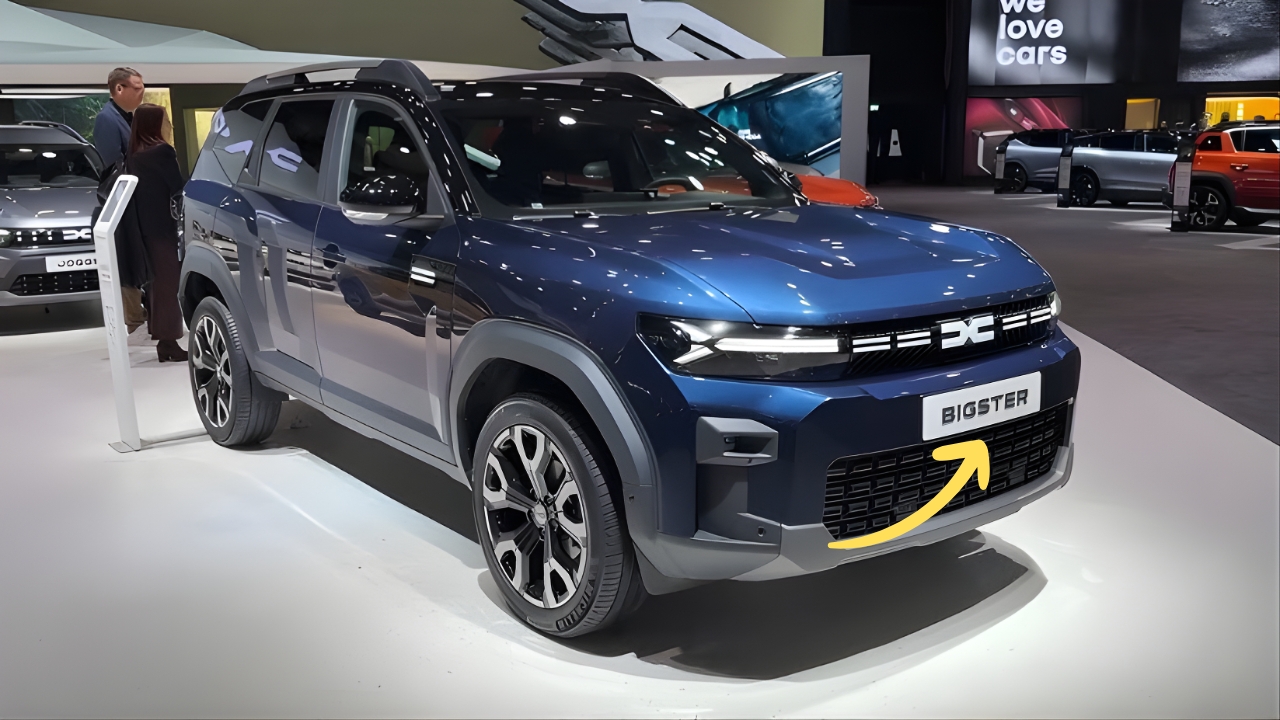
Spy reports indicate that the Bigster is still under active testing, and fresh images have shown more of its front-end styling.
The overall design is expected to stay close to the rugged, squared-off concept that made the Bigster name attractive in the first place, with a strong emphasis on practical proportions and a muscular stance.
Also Read: Vivo T5x Smartphone High processor smartphone, 7000mAH battery and 256GB storage
That kind of design is likely to help it stand out in a segment where many SUVs look increasingly similar. Renault seems to be going for a no-nonsense family SUV image rather than a flashy lifestyle product, which could work well if the final production model keeps the bold concept’s character.
Expected Engines And Performance
Powertrain details are still evolving, but international reports suggest the Bigster could offer multiple engine options depending on the market.
One likely setup is a mild-hybrid 1.2-litre turbo-petrol engine with about 140 hp, while a strong hybrid version is also expected in global markets with combined output around 155 hp.
For India, some reports point to a 1.3-litre turbo-petrol or flex-fuel engine producing around 160 bhp and 270 Nm, paired with a dual-clutch automatic gearbox.
If Renault brings a setup like that, the Bigster could become much more appealing to buyers who want stronger highway performance than most mass-market three-row SUVs usually deliver.
Also Read: Mahindra Scorpio N Comfort design SUV with advance technology features, engine is strong
Interior Focus And Practicality
The strongest case for the Bigster may be its cabin space. Coverage of the model suggests the SUV is being developed with a clear focus on family usability, and one report highlights generous rear legroom and an overall practical interior layout.
That makes sense, because buyers in this segment usually care as much about everyday comfort as they do about power figures.
If Renault equips the Bigster with modern infotainment, connected car features, and a usable third row, it could become one of the brand’s most important products in years.
The challenge will be balancing cost control with enough premium touches to make the cabin feel competitive against established rivals.
India Launch Timeline
The latest reports suggest the Bigster may debut in India in late 2026, with some sources also pointing to a June 2026 estimate, though that appears less certain than the newer testing-based timeline.
What is clear is that Renault’s India plans have shifted, and the Bigster now seems likely to arrive after the new Duster, not before it.
Also Read: Il colosso italiano entra nella famiglia più ricca d’Italia: inizia una nuova era
That staged approach makes strategic sense. Renault can first build momentum with the Duster and then use the Bigster to expand into the larger family SUV space, where buyers are often willing to spend more for extra seats and more comfort.
Competition In A Crowded Segment
The Bigster will not enter an easy market. Depending on final size and pricing, it is expected to be compared with SUVs such as the Hyundai Alcazar, Tata Safari, MG Hector, Mahindra XUV 7XO, and other three-row family-oriented models.
To succeed, Renault will need more than just a bigger body. It will need strong pricing, a convincing feature list, and a smooth ownership experience, because Indian buyers in this category tend to compare everything from cabin quality to after-sales support.
Renault Bigster 2026 Why It Matters For Renault
For Renault, the Bigster is more than just another SUV launch. It represents a chance to move up the value chain and compete in one of the most profitable segments in India and other emerging markets.
If the company gets the styling, space, and pricing right, the Bigster could help Renault rebuild stronger momentum.
Also Read This : iPhone 18 Pro y 18 Pro Max: todo lo que sabemos hasta ahora
The SUV also fits the broader industry shift toward practical hybrids and flexible platforms that can support different body styles and powertrains.
That flexibility may prove important as buyers increasingly look for efficiency without sacrificing size or comfort.